Advancements in Reward Coordination and Transaction Protocols for Reel and Dealer Gaming Networks
Written by Sage Fischer · Aug 30, 2026
Advancements in Reward Coordination and Transaction Protocols for Reel and Dealer Gaming Networks
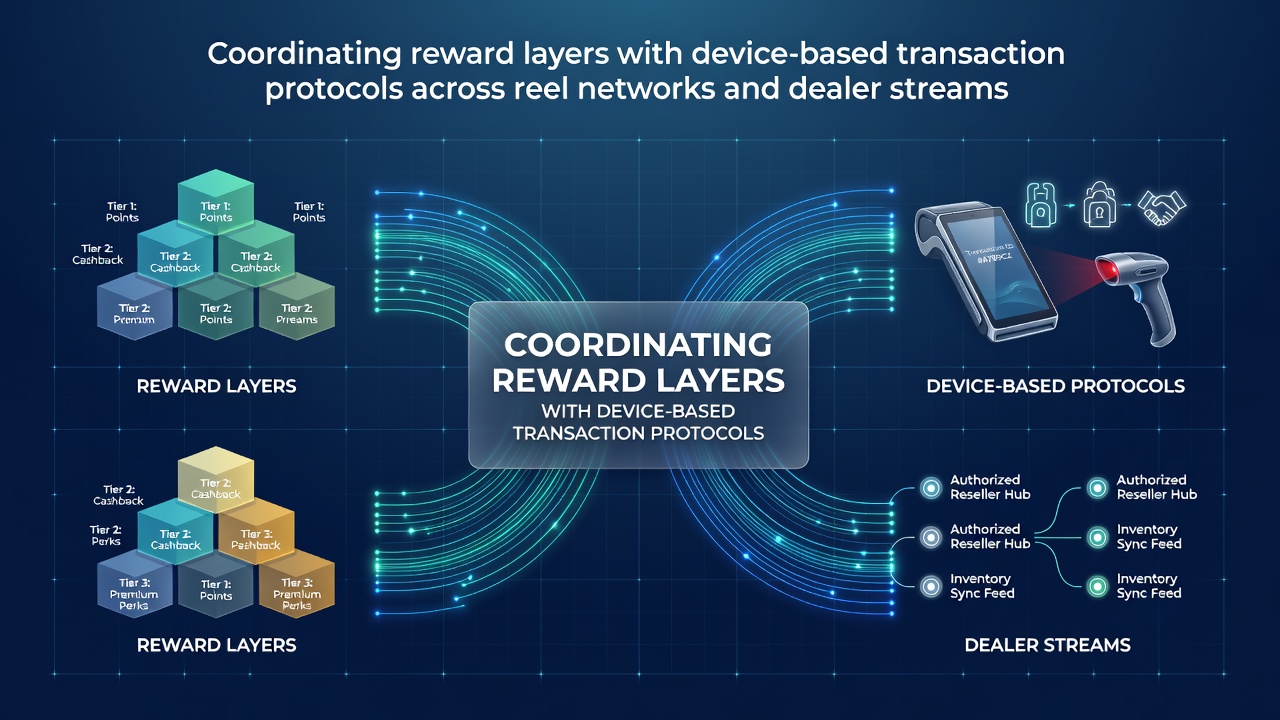
Coordinating reward layers with device-based transaction protocols involves aligning bonus structures, loyalty incentives, and promotional credits directly with secure payment systems on mobile and desktop devices, while these elements operate across interconnected slot reel networks and live dealer streaming platforms. Research shows that such coordination relies on standardized APIs that link player accounts to real-time transaction ledgers, ensuring rewards activate only after verified deposits or wagers complete through encrypted device channels.
Data from industry reports indicates that reel networks, which power online slot machines with random number generators, now incorporate transaction protocols that process micro-payments and reward redemptions in milliseconds. Dealer streams add another layer where live video feeds from physical or virtual tables require synchronized fund flows to apply bonuses without interrupting gameplay sequences. Observers note that this setup reduces latency issues that previously separated reward distribution from actual betting activity.
Core Components of Reward and Transaction Alignment
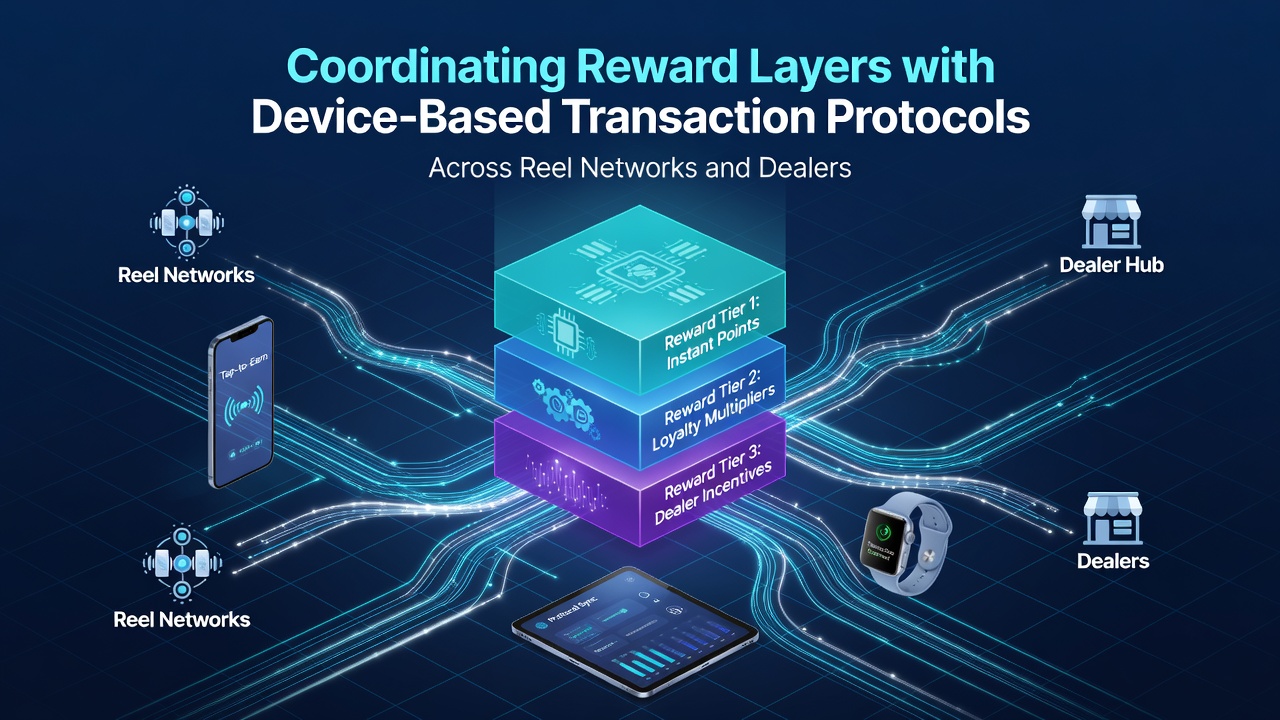
Reward layers typically consist of tiered bonuses, cashback mechanisms, and progressive multipliers that accumulate based on wager volume, whereas device-based transaction protocols handle authentication through biometrics, tokenization, and blockchain-verified ledgers on user hardware. Studies found that when these systems connect properly, players experience automatic credit application during sessions across both reel-based games and dealer interactions. Evidence suggests integration occurs via middleware that monitors device states and network conditions to prevent mismatches between earned rewards and available balances.
Take one case where a major platform updated its protocols in early 2025, resulting in unified ledgers that tracked rewards from slot spins directly into live dealer tables without separate logins or fund transfers. In August 2026, further refinements introduced cross-device handoff capabilities, allowing sessions to move from mobile reels to desktop dealer streams while preserving active reward multipliers and transaction histories.
According to figures from the American Gaming Association, transaction volumes in coordinated systems grew by 18 percent year-over-year as of mid-2026, driven by reduced friction in reward activation. Those who've examined the architecture point out that security protocols now embed reward validation steps inside each payment confirmation, limiting opportunities for desynchronization between reel outcomes and dealer bet settlements.
Implementation Across Reel Networks and Dealer Streams
Reel networks process high volumes of individual spins, each potentially triggering layered rewards that must settle through device protocols before the next round begins, while dealer streams demand continuous synchronization because table actions unfold in real time with variable bet sizes. Researchers discovered that unified protocols use event-driven triggers to push reward updates into both environments simultaneously, maintaining consistency even when players switch between slot reels and live tables mid-session. What's interesting is how device sensors contribute to this process by confirming user presence and location, which in turn validates reward eligibility before transaction completion.
One study revealed that platforms employing these coordinated systems recorded fewer disputes over bonus applications, with data showing a 22 percent drop in support tickets related to delayed credits. External analysis from the University of Nevada, Las Vegas gaming research division highlights how protocol standards, developed through multi-stakeholder working groups, now emphasize interoperability between reel RNG modules and dealer stream APIs. The ball's in the court of developers to maintain these connections as hardware evolves, yet the technical foundation already supports seamless reward flows across networks.
Additional examples include loyalty programs that adjust reward tiers based on combined activity from slots and live dealer sessions, all verified through the same device transaction layer. Data indicates that such programs increased player retention metrics when transaction confirmations aligned with reward triggers without manual intervention.
Future Developments and Standards
Industry organizations continue to refine these coordination methods, incorporating emerging technologies like edge computing to handle reward calculations closer to the device itself. This approach shortens response times across reel networks and dealer streams while preserving the integrity of each transaction protocol. Reports from the Australian Institute of Criminology on digital gaming infrastructure note similar patterns in international markets where cross-platform reward systems have standardized around device-centric verification.
Yet challenges remain in scaling these integrations to handle peak loads during major events, where simultaneous reel spins and dealer table activity test the limits of current protocols. Those monitoring the sector observe ongoing updates that address compatibility with new device operating systems and regulatory requirements in various jurisdictions.
Conclusion
Coordinating reward layers with device-based transaction protocols across reel networks and dealer streams represents a technical evolution that connects bonus mechanics directly to payment verification processes. Data shows measurable improvements in transaction speed and reward accuracy as standards mature, with notable advancements documented through August 2026. External resources such as reports from the American Gaming Association and research from the University of Nevada, Las Vegas provide ongoing data on these developments, while platforms continue to refine the underlying architectures for broader adoption.