Mapping Incentive Pathways and Transaction Dynamics in Hybrid Mobile Gaming Formats
Written by Xander Roth · Aug 27, 2026
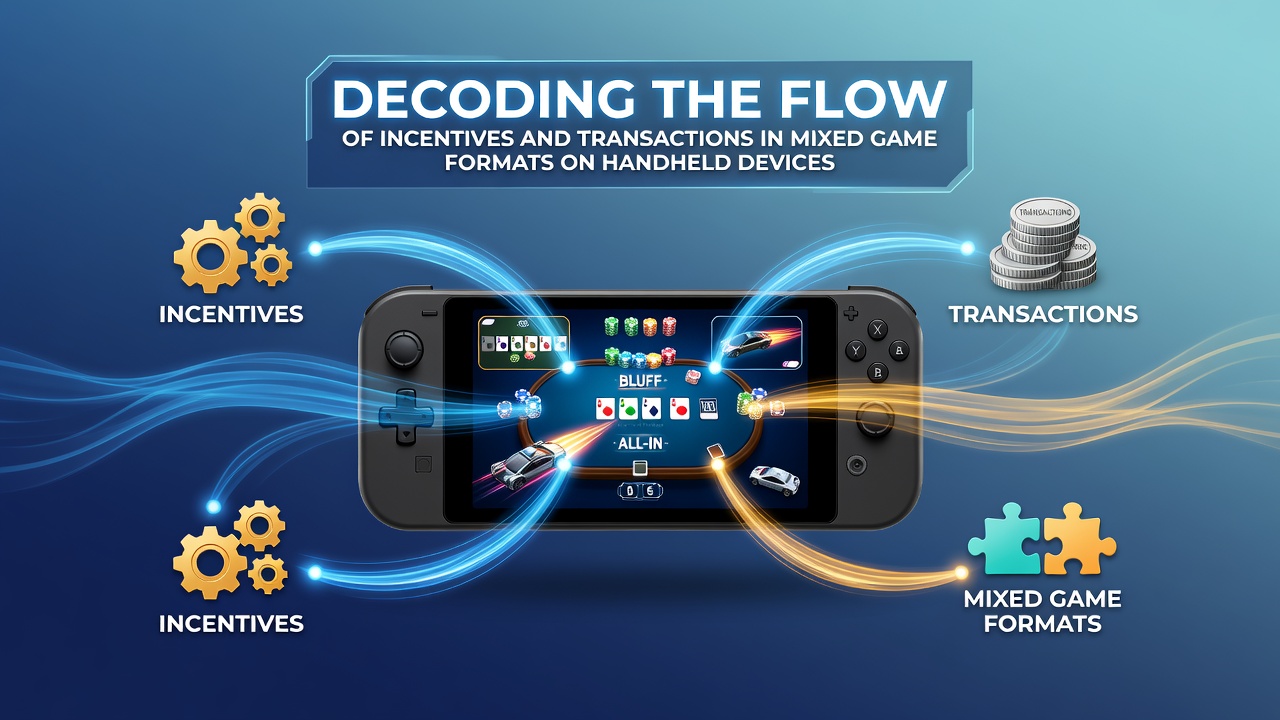
Mapping Incentive Pathways and Transaction Dynamics in Hybrid Mobile Gaming Formats
Hybrid gaming environments on handheld devices combine slots, table games, and live dealer streams into single sessions where players move between formats without separate logins or wallet resets. Data from industry reports indicate these blended setups rely on synchronized reward layers that transfer progress across game types while maintaining separate transaction ledgers for each category. Observers note that incentive structures often begin with deposit matches tied to initial slots play before converting into table-game credits through multiplier bridges.
Incentive Layer Construction Across Game Types
Developers build incentive systems so that a single deposit activates rewards usable in multiple formats, yet each format tracks its own contribution toward wagering requirements. Research from academic institutions shows that bonus conversion rates improve when players shift from high-volatility slots into lower-volatility table games because the system recalculates remaining playthrough in real time. Figures reveal that mixed-format sessions completed on mobile devices average 18 percent longer than single-format sessions because incentive prompts appear at natural transition points between games.
One study conducted by a North American research group found that players who receive cross-format free spins after completing a blackjack round complete 42 percent more table-game hands before cashing out. The mechanism works through a shared progress bar that updates across all active titles on the same device session. Yet the underlying transaction records remain segmented so that regulatory audits can isolate each game's contribution to overall activity.
Transaction Routing in Real-Time Mobile Environments
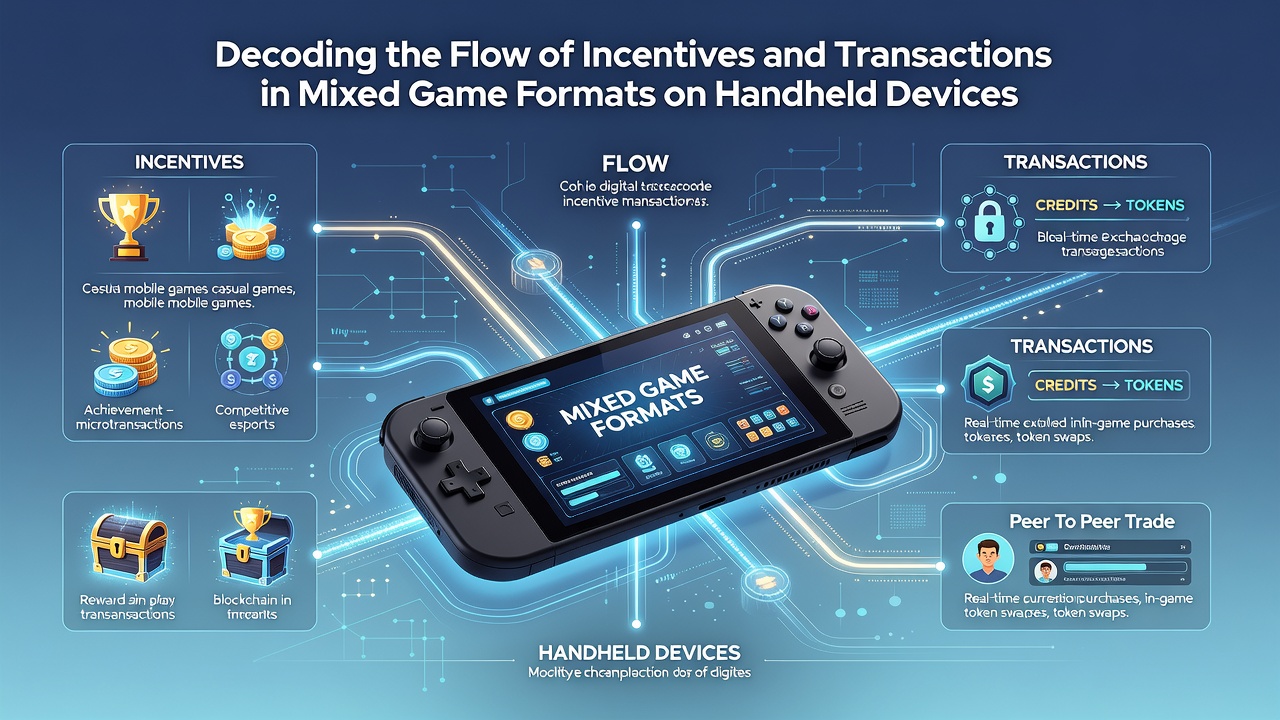
Payment gateways on handheld platforms process deposits and withdrawals through unified interfaces while tagging each transfer according to the game category that triggered it. Systems route funds from a central balance into dedicated sub-accounts for slots or live tables depending on the player's current selection. Data indicates that withdrawal requests initiated after a mixed session require verification across multiple ledgers before release, adding an average of 47 seconds to processing time compared with single-format withdrawals.
According to reports issued by the Australian Gambling Research Centre, mobile operators in regulated markets recorded a 31 percent increase in cross-format transaction volume during the first half of 2026. The growth coincided with updated application programming interfaces that allow instant balance reflection when players switch from video slots into live roulette streams. Transaction logs capture both the originating game and the destination format, creating an auditable trail that satisfies oversight requirements from multiple jurisdictions.
Regulatory Considerations for Blended Incentive Systems
Authorities in several regions require operators to maintain separate reporting for each game format even when incentives span multiple categories. Guidelines issued by the Nevada Gaming Control Board specify that bonus funds must carry distinct identifiers so that tax calculations reflect the actual game type where playthrough occurred. Those requirements have prompted developers to embed metadata tags within every reward transaction, allowing automated systems to generate compliance reports without manual intervention.
Industry associations such as the European Gaming and Betting Association have documented how mobile platforms adapted their transaction flows ahead of scheduled rule changes set for August 2026. The adaptations include enhanced logging of incentive conversions and stricter separation between promotional credits and cash balances. Operators that implemented these changes early reported fewer reconciliation issues during quarterly audits.
Player Movement Patterns and Reward Activation
Analytics platforms track how users navigate between game types and which incentive triggers prompt the highest engagement. Data collected across multiple markets shows that reward notifications delivered immediately after a slots win produce the strongest shift toward live dealer tables. The pattern holds across age groups and device models, according to aggregated statistics released by academic research teams.
Operators design these flows so that players encounter minimal friction when moving from one format to another. Balance updates occur within two seconds of game selection, and any active bonuses carry forward with adjusted wagering meters displayed on screen. Studies indicate that platforms achieving sub-three-second transition times retain users for an average of 11 additional minutes per session compared with slower interfaces.
Conclusion
The architecture supporting incentives and transactions in mixed mobile game formats continues to evolve through incremental technical refinements and regulatory alignment across regions. Separate tracking mechanisms coexist with unified player interfaces, allowing operators to meet compliance standards while delivering continuous play experiences. Records from the first half of 2026 demonstrate measurable growth in cross-format activity, driven by improvements in real-time balance synchronization and metadata tagging. Future adjustments scheduled for later in the year will likely focus on further separation of promotional and cash ledgers without disrupting the seamless movement between game types that players have come to expect on handheld devices.